Table of Contents
ToggleA Minor Injury During Pregnancy Can Feel Like a Major Scare
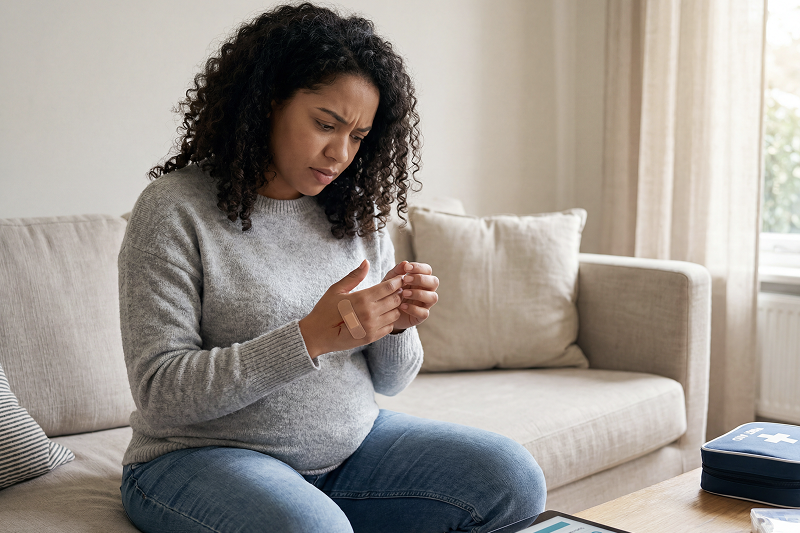
A simple slip. A missed step. A minor bump into a table corner.
Normally, you might brush it off and move on with your day. But during pregnancy, even the smallest accident can instantly trigger a flood of questions: Is my baby okay?
Should I call my doctor? Do I need urgent care, or is this an emergency?
If you’ve ever found yourself worrying after a fall, sprain, bruise, or minor injury while pregnant, you’re not alone. Pregnancy naturally makes mothers more cautious, and for good reason. While most minor injuries don’t lead to serious complications, some situations require prompt medical attention to protect both mom and baby.
The challenge is knowing the difference.
In this guide, we’ll walk through the most common injuries pregnant women experience, explain when urgent care may be appropriate, and highlight the warning signs that should never be ignored.
Knowing what to do next can help you stay calm, make informed decisions, and get the right level of care when it matters most.
How Pregnancy Changes Your Risk of Injury
Pregnancy brings remarkable changes to the body. While these changes support a growing baby, they can also increase the likelihood of accidents and injuries.
Why Falls and Minor Accidents Are More Common During Pregnancy
As pregnancy progresses, your center of gravity shifts forward. This affects balance and coordination, making trips and falls more likely. Hormonal changes also loosen ligaments and joints in preparation for childbirth, which can reduce stability and increase the risk of sprains and strains.
Fatigue, dizziness, swelling, and changes in vision can further contribute to accidental injuries. Activities that once felt routine, walking downstairs, carrying groceries, or exercising, may suddenly require greater caution.
Most minor injuries are not dangerous. However, because pregnancy involves both maternal and fetal health, every injury should be assessed based on the severity of the incident and the symptoms that follow.
Common Minor Injuries Pregnant Women Experience
Pregnant women commonly experience injuries that occur during daily activities.
Everyday Injuries That Can Happen During Pregnancy
Minor Falls
Falls are among the most common pregnancy-related accidents. Many occur because of altered balance, uneven surfaces, or slippery floors.
Sprains and Strains
Loose joints combined with added body weight can place extra stress on muscles and ligaments, especially in the lower back, hips, knees, and ankles.
Cuts and Scrapes
Kitchen accidents, household chores, and outdoor activities can result in minor cuts and abrasions that require cleaning and monitoring.
Minor Burns
Cooking-related burns or contact with hot surfaces are relatively common and typically manageable with prompt treatment.
Bumps and Bruises
Accidentally bumping into furniture, counters, or car doors can cause bruising and discomfort.
Exercise-Related Injuries
Prenatal exercise is beneficial, but overexertion or improper movement can sometimes lead to muscle strains or joint pain.
While these injuries are often minor, the circumstances surrounding the injury matter just as much as the injury itself.
What to Do Immediately After an Injury During Pregnancy
The first few minutes after an injury are important.
First Steps to Protect Yourself and Your Baby
Stay Calm and Assess the Situation
Take a moment to evaluate what happened. Did you fall directly on your abdomen?
Did you hit your head? Was there significant force involved?
Monitor Your Symptoms
Pay attention to how you feel physically. Note any pain, dizziness, bleeding, contractions, or changes in fetal movement.
Contact Your Healthcare Provider
When in doubt, calling your OB-GYN can provide guidance tailored to your pregnancy stage and medical history.
Continue Monitoring
Some symptoms may not appear immediately. Continue observing for warning signs during the hours following the incident.
Even if you initially feel fine, delayed symptoms can sometimes indicate underlying complications.
When Urgent Care Is Usually the Right Choice
Not every injury requires an emergency room visit.
Injuries That Often Can Be Evaluated at Urgent Care
Minor Cuts That May Need Stitches
Deep cuts that continue bleeding but are otherwise uncomplicated may be treated with wound care and stitches.
Mild Sprains and Muscle Strains
Twisted ankles, strained muscles, and mild ligament injuries often benefit from professional evaluation and treatment recommendations.
Minor Burns
Small burns affecting limited areas of skin can typically be assessed and treated at urgent care.
Non-Severe Falls Without Abdominal Impact
Falls that do not involve direct abdominal trauma and are not followed by concerning symptoms may be appropriate for urgent care evaluation.
Bruises and Soft Tissue Injuries
Painful bruising and minor soft tissue injuries can often be managed without emergency services.
Mild Back or Joint Pain After an Accident
Healthcare providers can assess injuries, rule out serious concerns, and recommend appropriate treatment options.
Urgent care centers can provide fast evaluation, imaging when appropriate, wound treatment, and referrals when higher-level care is needed.
7 Warning Signs That Require Immediate Medical Attention
Some symptoms indicate that the injury may have affected either maternal or fetal health.
1. Vaginal Bleeding After an Injury
Any bleeding following a fall or accident should be taken seriously. While not all bleeding indicates a major problem, it may signal placental complications or other pregnancy-related concerns.
2. Severe Abdominal Pain or Cramping
Persistent abdominal pain, tenderness, or cramping after an injury warrants immediate evaluation.
3. Decreased or Absent Fetal Movement
A noticeable reduction in fetal movement after trauma should never be ignored, particularly during later stages of pregnancy.
4. Loss of Amniotic Fluid
Fluid leakage may indicate rupture of the amniotic sac and requires prompt medical attention.
5. Head Injury With Dizziness or Loss of Consciousness
Head injuries during pregnancy require careful assessment because they can affect both maternal and fetal well-being.
6. Severe Back Pain Following a Fall
Intense back pain may indicate spinal injury, pelvic injury, or pregnancy-related complications.
7. Difficulty Breathing or Chest Pain
These symptoms may signal serious medical conditions that require emergency treatment.
Any of these warning signs should prompt immediate evaluation in an emergency department.
When to Go Directly to the Emergency Room
Certain situations should bypass urgent care entirely.
Situations That Should Never Wait
- Significant Falls
- Falls involving substantial force or height increase the risk of internal injury and pregnancy complications.
- Motor Vehicle Accidents
- Even low-speed collisions can affect pregnancy and should be evaluated promptly.
- Direct Trauma to the Abdomen
- Any significant impact to the abdominal area requires immediate medical assessment.
- Severe Head Injuries
- Loss of consciousness, persistent headaches, vomiting, or confusion after a head injury are emergency symptoms.
- Suspected Fractures
- Broken bones often require emergency evaluation, imaging, and specialist care.
- Heavy Bleeding
- Substantial bleeding should always be treated as a medical emergency during pregnancy.
In these situations, delaying care may increase risks for both mother and baby.
Urgent Care vs Emergency Room: Understanding the Difference
One of the most common questions pregnant women ask is where they should go after an injury.
Conditions Appropriate for Urgent Care
Urgent care is generally suitable for:
- Minor cuts
- Small burns
- Mild sprains
- Minor bruising
- Non-severe falls
- Mild musculoskeletal injuries
Conditions Requiring Emergency Care
Emergency rooms are better equipped for:
- Vaginal bleeding
- Abdominal trauma
- Severe pain
- Head injuries
- Broken bones
- Loss of consciousness
- Chest pain
- Breathing difficulties
When to Contact Your OB-GYN
Your obstetric provider remains an important resource. Depending on your symptoms and stage of pregnancy, they may recommend urgent care, labor and delivery evaluation, or emergency treatment.
When uncertainty exists, it is always better to seek medical guidance rather than wait.
Special Considerations by Trimester
The risks associated with injuries can vary throughout pregnancy.
First Trimester Injury Concerns
During early pregnancy, the uterus remains protected within the pelvis. While direct injury to the baby is less common, symptoms such as bleeding and severe cramping should still be evaluated.
Second Trimester Injury Concerns
As the uterus expands, abdominal trauma becomes more concerning. Monitoring symptoms following any injury becomes increasingly important.
Third Trimester Injury Concerns
In later pregnancy, falls and accidents carry greater risks because of increased body size, altered balance, and potential complications involving the placenta and labor.
Healthcare providers may recommend fetal monitoring even when injuries appear minor.
Preventing Minor Injuries During Pregnancy
While accidents cannot always be avoided, certain precautions can reduce risk.
Practical Safety Tips for Expectant Mothers
- Wear Supportive Footwear
- Shoes with good traction help improve stability and reduce fall risk.
- Keep Walkways Clear
- Remove tripping hazards from your home whenever possible.
- Exercise Safely
- Choose pregnancy-approved activities and follow recommendations from your healthcare provider.
- Use Handrails
- Extra support can help prevent falls on stairs and uneven surfaces.
- Avoid Overexertion
- Fatigue increases the likelihood of accidents and injuries.
Simple preventive measures can significantly reduce injury risk throughout pregnancy.
Frequently Asked Questions
1.Can a Minor Fall Harm My Baby?
Most minor falls do not result in injury to the baby. However, symptoms and pregnancy stage help determine whether medical evaluation is necessary.
2.Should I Always Call My Doctor After a Fall?
Even when symptoms seem mild, informing your healthcare provider is often recommended.
3.Can Urgent Care Treat Pregnant Patients?
Yes. Urgent care centers can evaluate many minor injuries and determine whether additional care is needed.
4.What Symptoms May Appear Later?
Bleeding, abdominal pain, contractions, fluid leakage, or reduced fetal movement may develop hours after an injury.
5.When Should I Go to Labor and Delivery Instead?
Your OB-GYN may direct you to labor and delivery for fetal monitoring, particularly during the later stages of pregnancy.
Protecting Both Mom and Baby After an Injury
Most minor injuries during pregnancy are exactly that, minor. However, knowing how to respond can make a significant difference when symptoms suggest something more serious.
The safest approach is not to panic, but also not to ignore warning signs. Understanding when urgent care is appropriate and when emergency evaluation is necessary helps ensure that both mother and baby receive timely care.
If an injury occurs during pregnancy, trust your instincts. When symptoms seem unusual, worsen over time, or raise concerns, seeking professional medical evaluation is always the right decision.
Quick action can provide reassurance, identify potential complications early, and help support a safer, healthier pregnancy for both mother and baby.