Life Saver Urgent Care

Lifesaverurgentcare

Stomach Flu or Food Poisoning? What Torrance Parents Need to Know Right Now

Why GI Issues Are Rising in Torrance Right Now If your child suddenly starts vomiting or has diarrhea, your first instinct is usually panic, followed by a quick search for answers.  Should you wait it out? Is it something they ate?   Or is it a stomach virus going around school?   For many parents in the South Bay, […]

Stomach Flu or Food Poisoning? What Torrance Parents Need to Know Right Now Read More »

pediatric-care

Fever in Kids: When Is It Actually Dangerous?

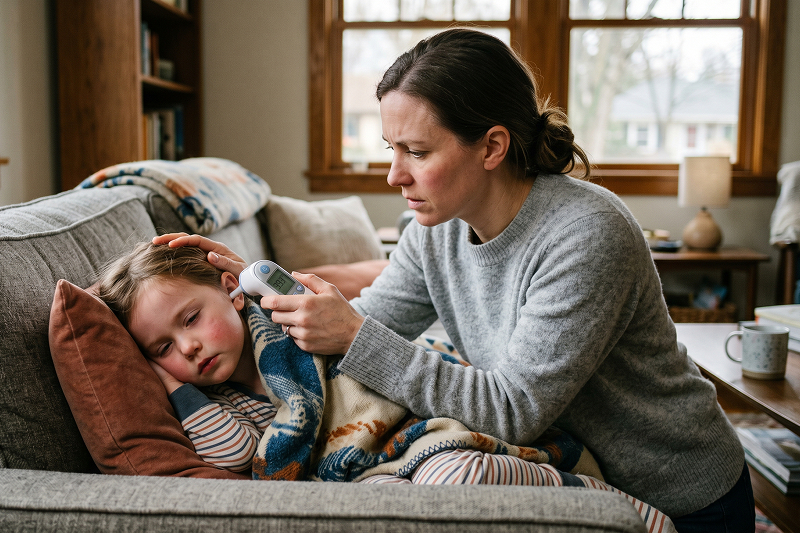
Fever in Kids: When Is It Actually Dangerous? A Torrance Parent’s Guide (2026 Update) Spring in Torrance often brings a familiar concern for parents, your child feels warm, looks tired, and suddenly you’re searching for answers. Should you monitor at home or head to Urgent Care Torrance right away?  Fever is one of the most common reasons parents seek immediate medical help, but

Fever in Kids: When Is It Actually Dangerous? Read More »

pediatric-care

Spring Allergies vs. Cold vs. Flu in Torrance, CA How to Tell the Difference in 2026

Every spring, something predictable happens across the South Bay: thousands of Torrance residents wake up with a stuffy nose, itchy eyes, and that unmistakable head-fog feeling, and immediately wonder, “Am I sick, or is it just allergies again?”   It’s a genuinely difficult question, and getting the answer wrong can mean days of unnecessary suffering, missed work, or spreading an illness to your

Spring Allergies vs. Cold vs. Flu in Torrance, CA How to Tell the Difference in 2026 Read More »

cold-flu

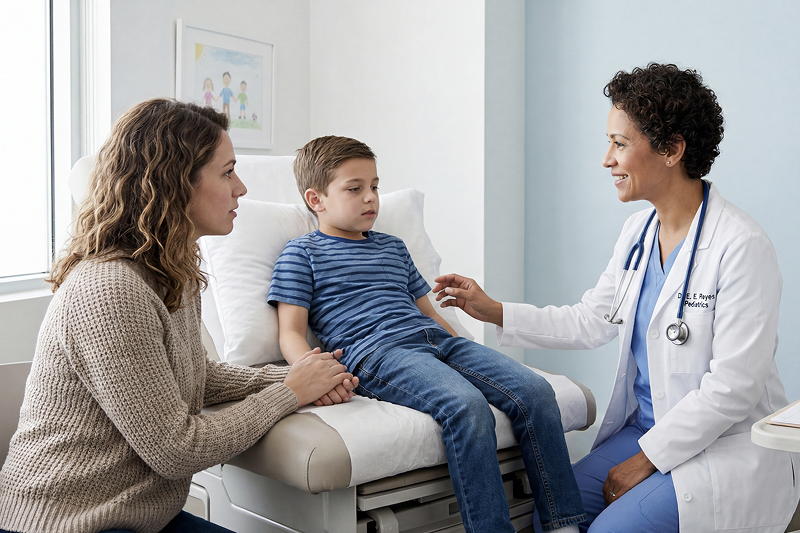
Torrance Parents’ Guide to Pediatric Urgent Care vs. ER in Spring 2026 — When to Go Where

Making the Right Call for Your Child Spring in Torrance brings more than sunshine and outdoor play, it also triggers a predictable surge in pediatric health concerns. From seasonal allergies driven by South Bay pollen levels to viral infections circulating through classrooms in the Torrance Unified School District, parents are often faced with a high-stakes decision:   Should

Torrance Parents’ Guide to Pediatric Urgent Care vs. ER in Spring 2026 — When to Go Where Read More »

pediatric-care

Fell but “Seem Fine”? Why Minor Falls in Older Adults Can Signal Serious Hidden Injuries

1. Why “Seem Fine” Can Be Misleading After a Fall A fall can look harmless at first. Many older adults get up, brush it off, and say they’re fine.   But in reality, what appears minor can still require evaluation at an Urgent Care Torrance center, especially when the body doesn’t immediately show distress signals. Aging changes how injuries present. Pain may be delayed. Swelling can be minimal. And

Fell but “Seem Fine”? Why Minor Falls in Older Adults Can Signal Serious Hidden Injuries Read More »

primary-care

Hip Fractures in Seniors: Why Early Treatment After a Fall Can Save Mobility

Why Hip Fractures Are One of the Most Serious Injuries in Older Adults Hip fractures are among the most serious injuries older adults can experience, often leading to long-term health complications and loss of independence. Unlike younger individuals, seniors have reduced bone density, slower healing capacity, and underlying medical conditions that increase the severity of

Hip Fractures in Seniors: Why Early Treatment After a Fall Can Save Mobility Read More »

primary-care

When a Simple Bruise Isn’t Simple: Blood Thinners, Falls, and Hidden Bleeding Risks in Seniors

Why Minor Injuries Can Be Dangerous for Seniors on Blood Thinners A small bruise or minor fall may not seem serious at first, but for older adults who take blood thinners, even a mild injury can lead to complications that are not immediately visible.   Many seniors use anticoagulant or antiplatelet medications to reduce the risk of stroke,

When a Simple Bruise Isn’t Simple: Blood Thinners, Falls, and Hidden Bleeding Risks in Seniors Read More »

primary-care

Falls That Seem Harmless: How to Recognize Hidden Fractures and Internal Injuries in Older Adults

Why Even a Minor Fall Can Signal a Serious Health Risk in Older Adults A fall that appears minor can sometimes hide a serious medical problem, especially in older adults.  Many seniors brush off a fall if they are able to stand up afterward and continue walking.   Family members often assume that if there is no obvious

Falls That Seem Harmless: How to Recognize Hidden Fractures and Internal Injuries in Older Adults Read More »

primary-care

Why Minor Falls in Seniors Can Turn Dangerous: The Science of Hidden Injuries and Delayed Symptoms

1. The Illusion of a “Minor” Fall in Older Adults A fall that appears insignificant in a younger adult can carry very different implications for an older individual. Aging changes the way the body absorbs impact, repairs tissue, and responds to trauma.   What looks like a simple stumble or slip may trigger a cascade of physiological responses that remain invisible in

Why Minor Falls in Seniors Can Turn Dangerous: The Science of Hidden Injuries and Delayed Symptoms Read More »

primary-care

When Arthritis Meets Injury: Distinguishing Flare-Ups from New Trauma in Seniors

When Chronic Arthritis Collides with Sudden Pain It starts with a familiar ache. Then suddenly, it’s not familiar at all. A senior who has lived with arthritis for years wakes up one morning unable to bear weight on a knee that has always “just been stiff.”   Or maybe there was a minor stumble in the kitchen, nothing dramatic, but

When Arthritis Meets Injury: Distinguishing Flare-Ups from New Trauma in Seniors Read More »

primary-care